 blog
blog
Beaver Tree Alternative: Protection Methods That Work
Table of Contents
- What Is a Beaver Tree Alternative?
- Tree Species Preferred by Beavers
- Beaver-Resistant Tree Varieties and Native Alternatives
- Physical Barriers: Wire Mesh Cages and Tree Guards
- Getting Tree Removal Services After Beaver Damage
- Tree Service Estimates and Insurance Credentials
- Storm Damage Tree Cleanup and Emergency Response
- Protecting Trees Near Shorelines and Beaver Habitats
- Frequently Asked Questions
Last Updated: October 11, 2026
What Is a Beaver Tree Alternative?
A beaver tree alternative is a method, material, or tree species designed to protect trees from beaver damage or provide less-desirable food sources that steer beavers away from valuable timber. Options include physical barriers, resistant species selection, and professional removal services.
Understanding your options for beaver tree alternatives gives you control over which approach fits your situation, budget, and long-term landscape goals.
Tree Species Preferred by Beavers
Beavers prefer soft-barked deciduous trees: willow, poplar, aspen, birch, alder, and cottonwood rank highest because their bark is nutritious and wood is easy to fell. Fruit trees like apple and cherry also attract beaver activity. Understanding these preferences helps you decide which trees to protect and which species to avoid planting near shorelines or wetland areas.
Beaver-Resistant Tree Varieties and Native Alternatives
Selecting resistant tree species is one of the most effective long-term beaver tree alternatives, but "resistant" is context-dependent. Understanding regional preferences, climate zones, and site conditions ensures your replanting strategy works.
Why Beavers Prefer Certain Species
Beavers target trees based on bark nutrition, wood workability, and accessibility. Soft-barked deciduous trees like willow, aspen, poplar, and birch rank highest because their bark is nutrient-rich and the wood is easy to fell and strip. Fruit trees (apple, cherry, pear) attract beavers in residential settings. Alder and cottonwood are also preferred. Hard-barked species like oak and hickory are occasionally felled but require more effort, making them less attractive. Evergreen conifers (spruce, fir, pine) are rarely targeted because their resinous bark and needle foliage offer little nutritional value and are difficult to strip.
This preference hierarchy is consistent across regions, but local beaver populations may develop individual preferences based on available food sources. A property with abundant willow will see less pressure on secondary choices like birch; conversely, in areas where preferred species are scarce, beavers will target less-favored trees more aggressively.
Evergreen Conifers: The Safest Choice
Spruce, fir, and pine are naturally resistant across all regions. Eastern white pine, Colorado blue spruce, and Douglas fir rarely appear on beaver menus. Eastern red cedar (a juniper) is excellent in zones 3-9, native, drought-tolerant, and unattractive to beavers. Conifers provide year-round structure but lack seasonal color and wildlife value of deciduous trees, a trade-off worth accepting on shorelines with extreme beaver pressure.
Native Deciduous Alternatives by Region
Northern and Northeastern Zones (2-5): Serviceberry (Amelanchiel spp.) is a native shrub rarely browsed that tolerates wet soils. Hawthorn and ironwood (Ostrya virginiana) are also resistant.
Southeastern Zones (6-8): Redbud (Cercis canadensis), dogwood species, sweetbay magnolia, tupelo, and black gum are native and rarely damaged by beavers.
Central and Midwestern Zones (4-6): Hackberry (Celtis occidentalis), bur oak, pawpaw (Asimina triloba), and ninebark (Physocarpus opulifolius) are native and resistant.
Western Zones (5-9): Avoid quaking aspen near water. Choose Douglas fir, western hemlock, Sitka spruce, serviceberry, or hawthorn instead.
Hardwood Species: Occasional Targets
Oak and hickory are harder for beavers to fell due to wood density, but they are not immune. White oak, red oak, and shagbark hickory are occasionally targeted, especially if preferred species are scarce. These species are valuable for wildlife and long-term landscape structure, so they're worth protecting with wire mesh cages if you want to preserve them near water. Maple species (sugar maple, red maple) are rarely felled but can be damaged by bark stripping; they're better suited to upland sites away from shorelines.
Shrub Buffers and Understory Planting
Creating a buffer zone of native shrubs between your high-value trees and the water's edge reduces beaver pressure. Cascara (Rhamnus purshiana) in western zones, elderberry (Sambucus nigra) in central and eastern zones, and buttonbush (Cephalanthus occidentalis) in southeastern wetlands are all native shrubs that beavers find less attractive than trees. These shrubs also provide food and cover for wildlife, improving overall habitat value.
Planting a mixed shrub layer 20-30 feet back from the shoreline creates a natural buffer. Beavers will encounter less-preferred species first, reducing pressure on specimen trees farther upland. This approach is especially effective on larger properties where you can afford to sacrifice some shoreline access.
Site-Specific Considerations
Soil type, moisture, and sunlight affect both beaver resistance and tree health. Willows and poplars thrive in wet soils, if you're replanting a shoreline, choosing wet-tolerant resistant species (tupelo, sweetbay magnolia, bald cypress in the Southeast; Douglas fir or western hemlock in the Pacific Northwest) ensures the tree survives while resisting beaver damage. Upland sites away from water can accommodate a wider range of species; hickory, oak, and maple are safer choices 50+ feet from the shoreline.
Native species adapted to your region's climate and soil will outcompete non-native alternatives and provide greater ecological benefit. A certified arborist can assess your site's hydrology, soil, and light conditions and recommend species that balance beaver resistance, native value, and landscape goals.
Decision Framework: When to Plant vs. Protect
If you have 1-3 high-value trees (mature specimens, fruit trees, or specimen ornamentals) near water, protect them with wire mesh cages and plant resistant species around them. If you're replanting after beaver damage or establishing a new shoreline landscape, prioritize native resistant species suited to your zone and site conditions. On large properties with active beaver populations, a combination approach, caging the most valuable trees, planting resistant species in the buffer zone, and removing particularly vulnerable trees, is most practical and cost-effective over time.
Physical Barriers: Wire Mesh Cages and Tree Guards
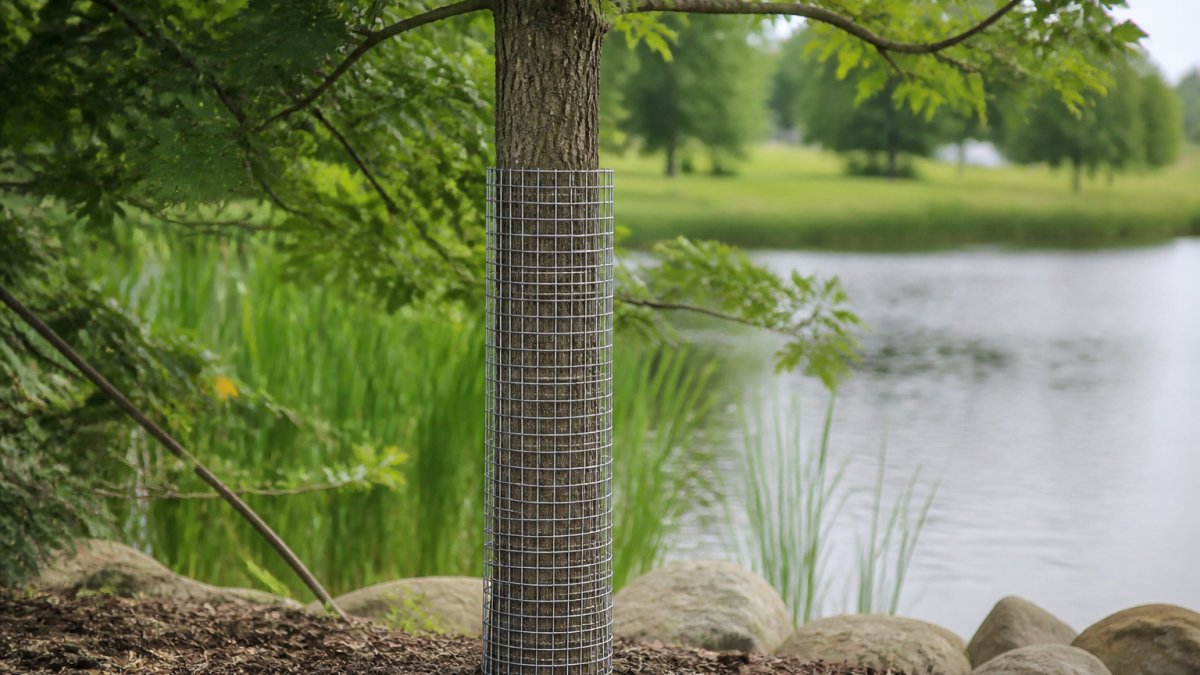
Wire mesh cages are the most reliable beaver tree alternative for protecting individual high-value trees. Effectiveness depends on material choice, installation precision, and maintenance.
Mesh Materials and Specifications
Hardware cloth (¼-inch galvanized steel mesh) is the gold standard, resisting rust 10-15 years. Chicken wire is inadequate; beavers chew through within 2-3 years. Welded wire fencing (½-inch) offers a middle ground, lasting 5-10 years. Plastic tree guards ($15-$40) work for saplings under 4 inches; metal guards ($50-$150) last 15+ years for high-value ornamentals.
Cage Construction and Installation Height
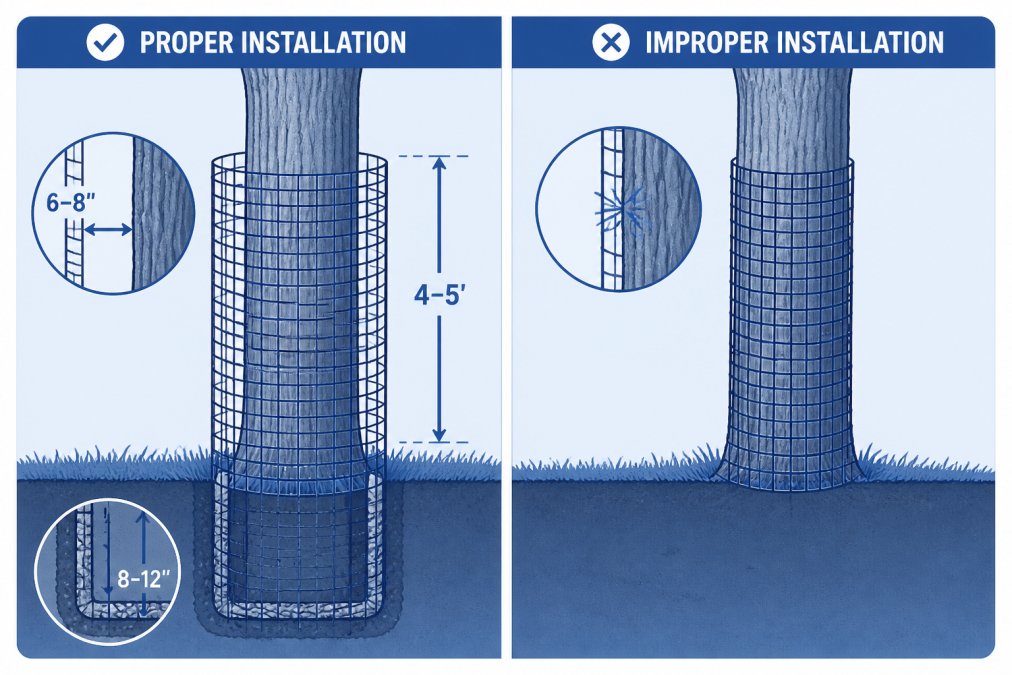
A proper cage requires a sturdy frame extending 4-5 feet up the trunk (beavers reach 5-6 feet on snow). Mesh must sit 6-8 inches from bark on all sides. Anchor the frame base 6-12 inches into soil or with concrete footings to prevent beavers from pushing it aside or burrowing underneath. Installing cages flush against the trunk allows beavers to strip bark in the gap, a critical mistake.
Cost and Durability Comparison
DIY hardware cloth cages cost $60-$150 per tree; professional installation adds $200-$500. Plastic guards cost less upfront but need replacement every 5-7 years. Hardware cloth lasts 10-15 years, making it more economical over time. Professional installation of 5-10 cages ranges $1,500-$5,000, often less than replacing a mature tree ($2,000-$10,000+).
Maintenance and Inspection Schedule
Inspect cages every 3-4 months for tears, rust, and loose frame bases. Clear snow buildup in winter. Check that tree bark hasn't grown into contact with mesh; loosen or replace cages every 2-3 years if the tree grows rapidly. Galvanized hardware cloth requires no treatment; painted or bare steel needs rust inspection. Wooden frames may need replacement after 7-10 years.
When Cages Aren't Practical
Cages work best for trees under 12 inches in diameter and properties with fewer than 10 high-value trees. On large properties, combine selective caging with resistant species planting and shoreline management. For partially felled or severely damaged trees, removal and replacement is often better than protection.
Getting Tree Removal Services After Beaver Damage
When beaver damage is extensive or the tree poses a safety risk, professional tree removal becomes necessary. Dead or partially felled trees create hazards, they can fall unpredictably, especially during storms or high winds. Attempting removal yourself on damaged trees is dangerous and often ineffective.
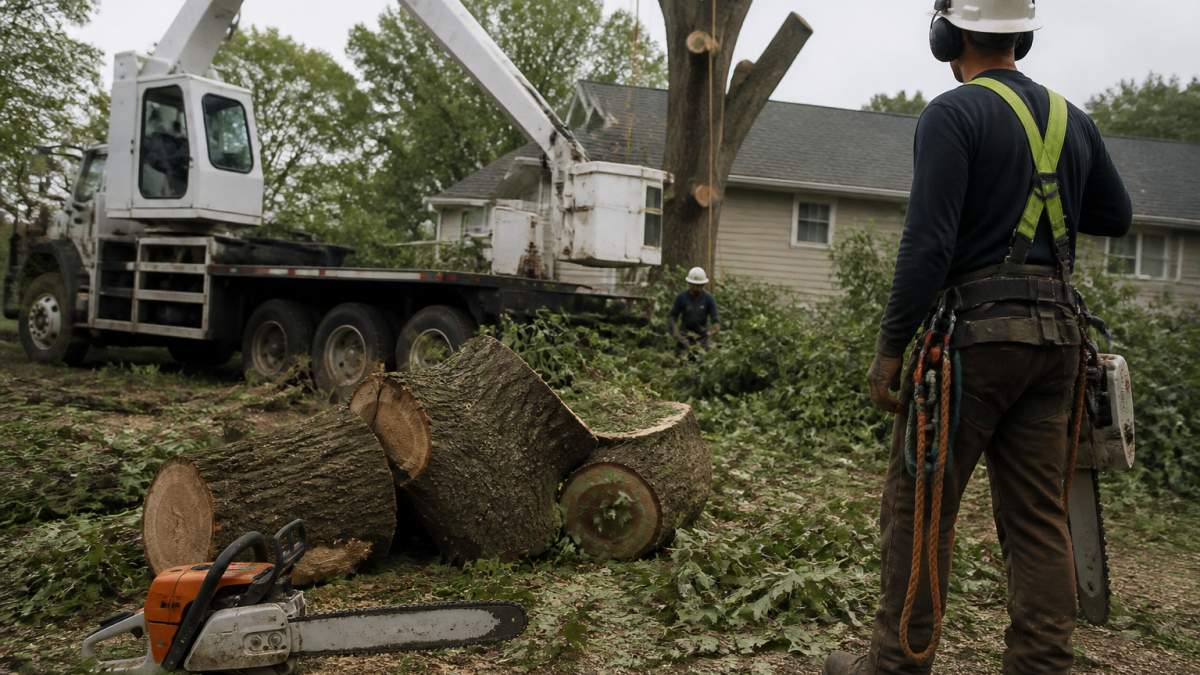
Professional tree removal services address the immediate hazard while preparing your property for recovery. Whether the tree is partially felled, heavily stripped of bark, or completely dead, certified arborists assess structural integrity and remove the tree safely using appropriate equipment. For hazardous trees near structures or power lines, specialized crane services may be required.
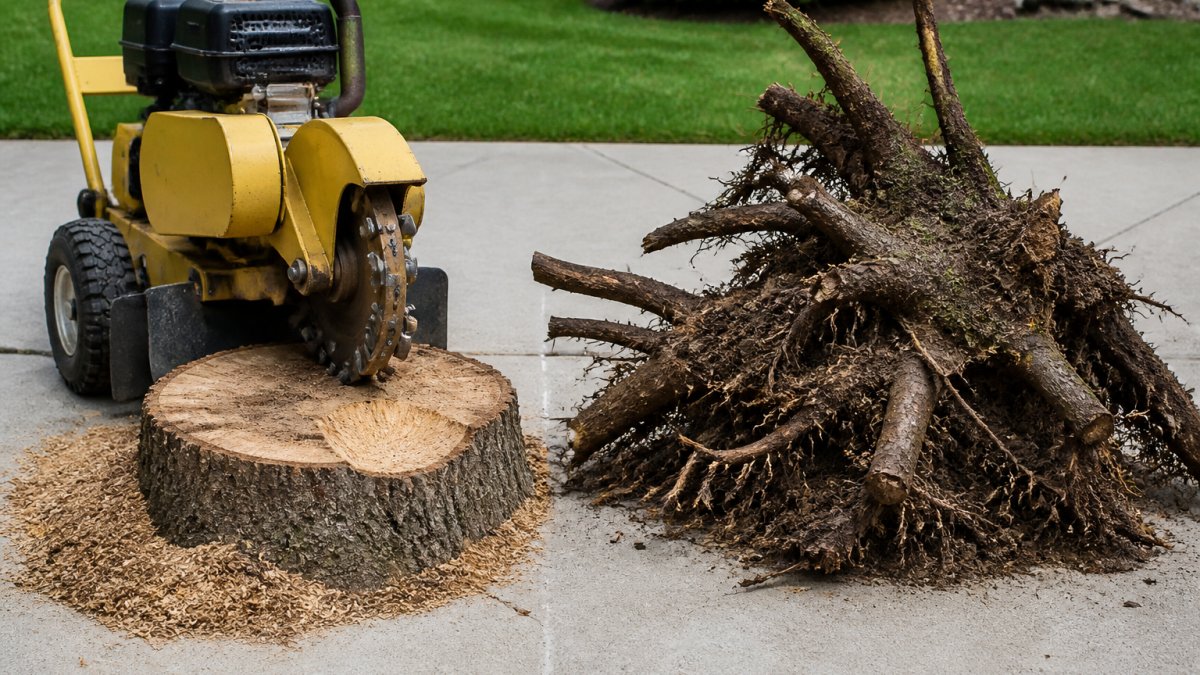
After removal, stump grinding eliminates the remaining hazard and opens space for replanting with beaver-resistant alternatives. This comprehensive approach, removal plus strategic replanting, transforms a damage site into an opportunity to improve your landscape's resilience.
Tree Service Estimates and Insurance Credentials
What to Ask About Tree Service Insurance and Credentials
Professional tree service estimates should itemize labor, equipment, disposal, and any additional services like stump grinding or site cleanup. Request detailed written estimates from multiple providers to compare scope and pricing. A thorough estimate demonstrates professionalism and gives you clear expectations before work begins.
Insurance and credentials matter more than many property owners realize. Verify that any tree service carries liability insurance and workers' compensation coverage. Ask for proof of certification, a certified arborist credential from the International Society of Arboriculture signals genuine expertise and commitment to industry standards.
When comparing estimates, the lowest price often signals shortcuts on safety or thoroughness. A reputable service explains their approach, addresses your concerns directly, and stands behind their work with proper documentation and insurance backing.
Storm Damage Tree Cleanup and Emergency Response
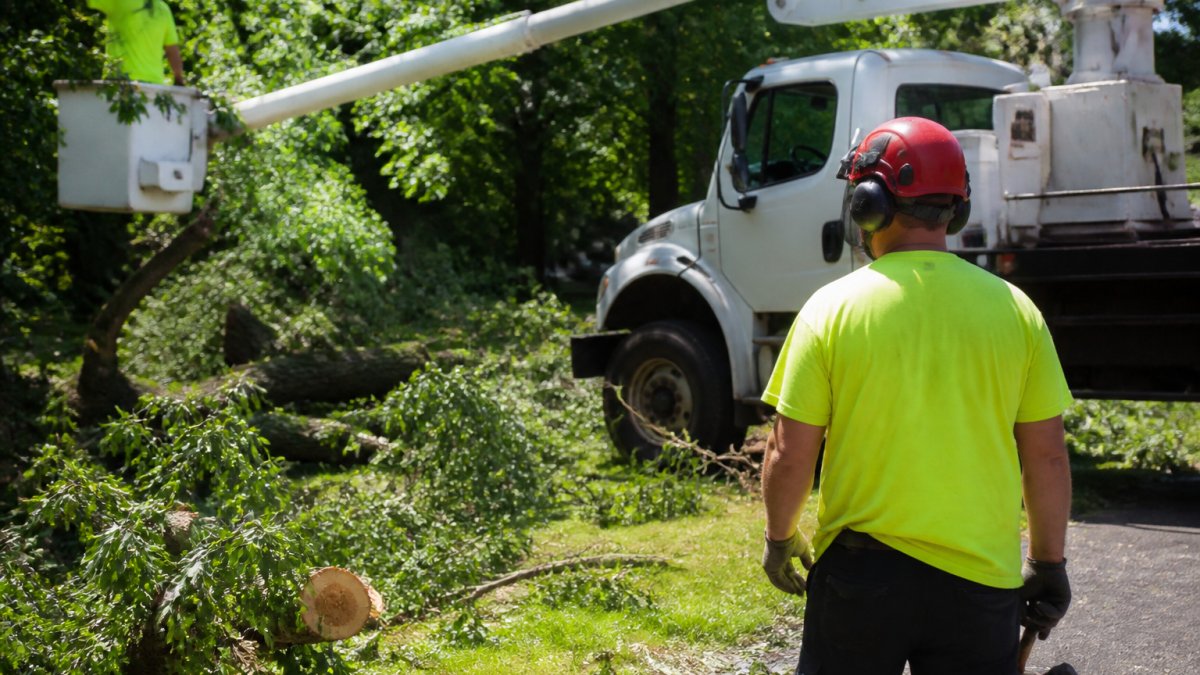
Storm damage creates urgent tree service needs. Fallen trees block driveways, damage structures, and pose ongoing safety hazards. Branches hung up in other trees or power lines require immediate professional attention, DIY removal risks serious injury.
Emergency response capability separates reliable tree services from part-time operators. Kauffeld Tree Care offers 24-hour emergency service for storm damage cleanup, meaning you don't wait days for help when a tree comes down on your property. Professional crews arrive equipped to handle hazardous situations safely, removing debris systematically and restoring access to your property quickly.
The aftermath of storms also reveals previously hidden damage, trees weakened by beaver activity, disease, or storm stress that now pose future hazards. Emergency cleanup is the ideal time to assess your entire landscape and plan removal or protection strategies for vulnerable trees.
Protecting Trees Near Shorelines and Beaver Habitats
Properties adjacent to water bodies face the highest beaver pressure. Trees near shorelines and wetland edges are natural targets because beavers can access them easily from water and use felled trees to construct dams and lodges.
Strategic planting and protection near shorelines reduces beaver activity while maintaining riparian health. Native shrubs and evergreen species create a buffer zone less attractive to beavers than willows or poplars. Physical barriers protect specimen or fruit trees you want to preserve.
Shoreline management also involves understanding local beaver behavior and habitat use.
Protecting your property from beaver damage requires a clear strategy combining prevention, protection, and professional expertise. Whether you're selecting resistant tree species, installing physical barriers, or removing hazardous trees after damage, the right beaver tree alternative depends on your specific situation.
Frequently Asked Questions
What is a beaver tree alternative?
A beaver tree alternative is either a tree species that beavers find less palatable than their preferred varieties like willow and poplar, or a physical protection method that prevents beavers from chewing tree bark and trunks. Alternatives include planting native shrubs and less-desirable species, installing wire mesh cages around tree trunks, or using latex paint and sand mixtures as deterrents. The goal is to protect your trees from damage while managing beaver coexistence on your property.
Which trees are most resistant to beaver damage?
Beavers prefer soft-barked trees like willow, black willow, peachleaf willow, and poplar. Beaver-resistant alternatives include spruce, cascara, serviceberry, and various native shrubs. When planning your landscape near shorelines or areas with beaver activity, choosing these less-palatable species reduces the likelihood of damage. Local tree service professionals can recommend species suited to your region and soil conditions.
How do I know if I need tree removal services after beaver damage?
If beavers have girdled a tree (removed bark completely around the trunk), the tree will likely die and should be removed. Severely damaged trees that are unstable, leaning dangerously, or positioned near structures also require professional tree removal services. A certified arborist can assess whether a damaged tree is salvageable through pruning or needs complete removal and stump grinding to prevent regrowth and safety hazards.
What should I ask a tree service about insurance and credentials?
Ask whether they employ a certified arborist, carry liability insurance, and maintain workers' compensation coverage. Request proof of credentials and insurance documentation before hiring. A fully insured, certified tree service protects your property in case of accidents or damage during removal or trimming. For emergency storm damage cleanup, confirm they offer 24-hour response and have the equipment (bucket trucks, cranes) to handle hazardous or hard-to-reach trees safely.