 blog
blog
Finding Local Tree Removal Experts: 2026 Guide
Table of Contents
- What Makes a Tree Removal Expert Worth Hiring
- Questions to Ask a Tree Removal Company Before You Sign
- Tree Removal Insurance and Licensing: What You Must Verify
- How to Get and Compare Tree Removal Estimates
- What Drives Tree Removal Cost in 2026
- Finding Local Tree Removal Experts for Emergency and Storm Damage
- Conclusion
- Frequently Asked Questions
Last Updated: October 4, 2026
What Makes a Tree Removal Expert Worth Hiring
Finding local tree removal experts starts with one question: what separates a professional crew from a risky gamble?
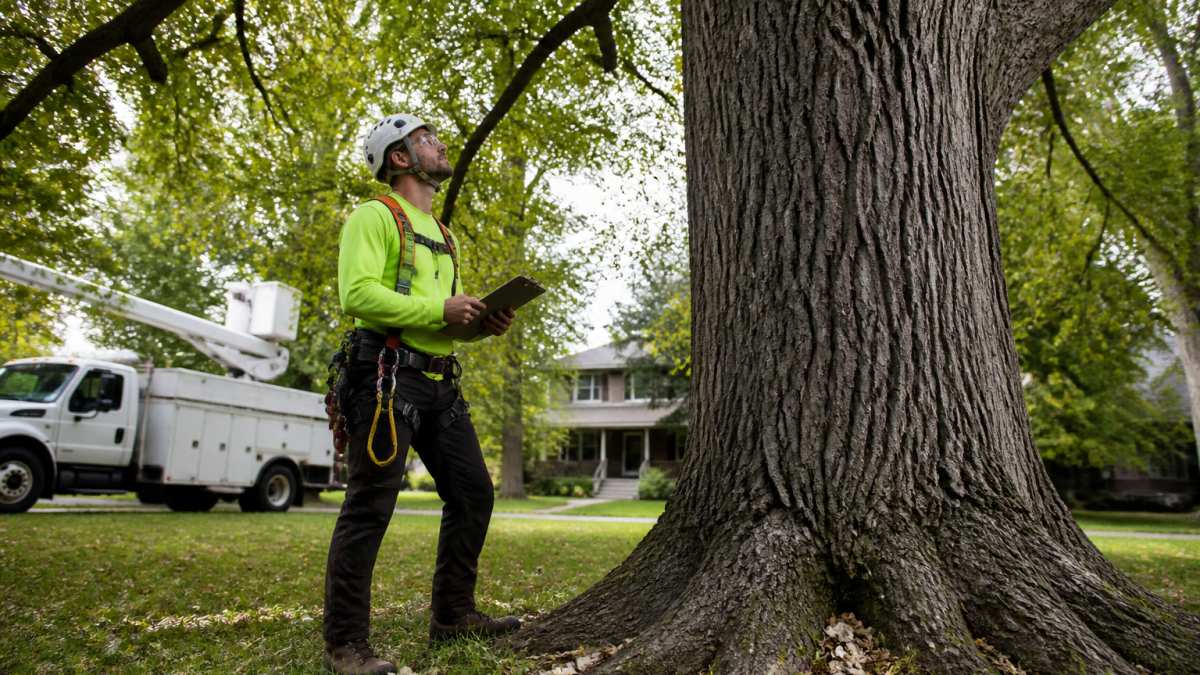
The difference shows up before any saw starts. A true expert walks the property, assesses the tree's lean, checks for hazards like power lines, and explains the plan in plain language.
Three things separate a professional from an amateur:
- Credentials: A certified arborist holds recognized industry certification and ongoing training
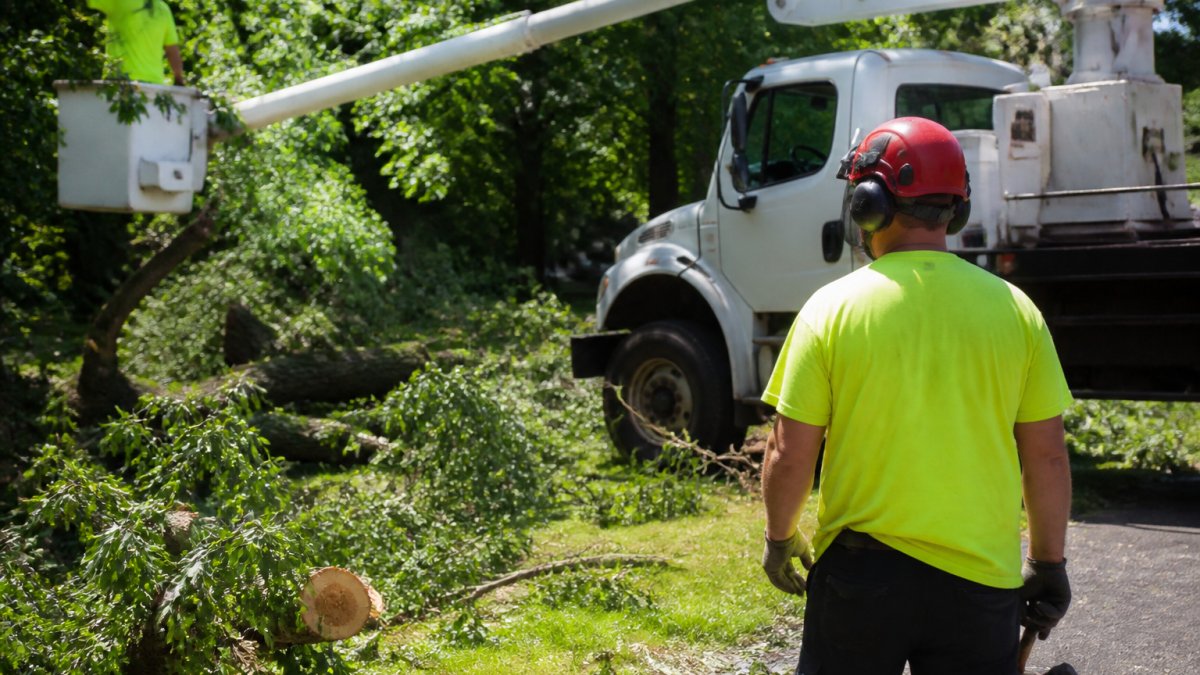
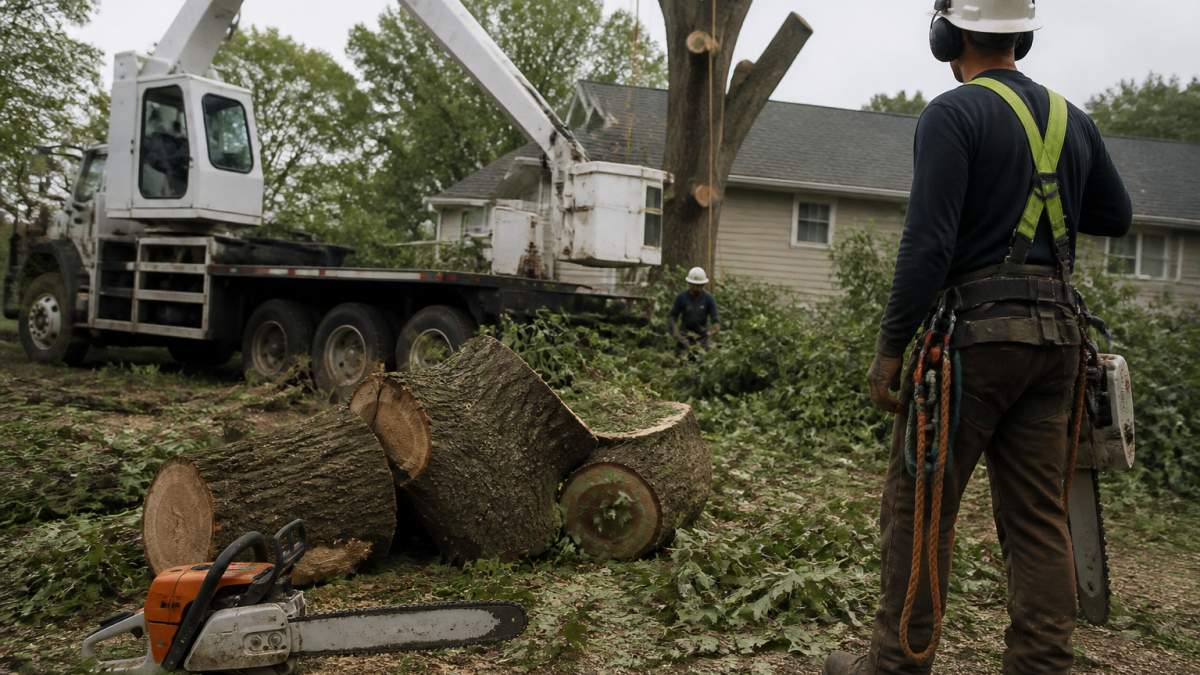
- Equipment: Bucket trucks and cranes handle trees that manual climbing can't safely reach
- Accountability: Written estimates, clear timelines, and a crew that cleans up completely
Tree care is dangerous work. The Occupational Safety and Health Administration's tree care industry guidance treats tree trimming and removal as high-hazard work for good reason.
Questions to Ask a Tree Removal Company Before You Sign
Ask five questions before signing anything: Are you insured? Who supervises the crew? How will you protect my property? What happens to the debris?
Here's what to listen for. A professional answers without hesitation and offers documentation.
Ask specifically about:
- Supervision: Will a certified arborist be on site, or will an untrained crew do the work?
- Property protection: How will they protect your lawn, fence, and roof from falling limbs?
- Debris removal: Is hauling and cleanup included, or billed separately?
Many homeowners find that the companies willing to answer these questions in writing are the same ones that show up on time and finish cleanly.
Tree Removal Insurance and Licensing: What You Must Verify
Verify two documents before work begins: a certificate of insurance and proof of licensing where your state or municipality requires it. Tree removal insurance and licensing protect you from liability if a worker is injured or your home is damaged.
This step is not optional. If an uninsured worker falls from your tree, your homeowner's policy may be asked to cover the medical bills. That's a risk no homeowner should take.
The three coverages that matter
A certificate of insurance (COI) is a one-page summary your contractor requests from their insurer. It should show three things:
- General liability insurance: Covers third-party property damage, your roof, fence, driveway, or a neighbor's property, during the job. Ask for limits; many homeowners find $1 million per occurrence is a common baseline, though requirements vary by job size.
- Workers' compensation: Covers crew injuries so an injured worker's medical bills and lost wages don't land on your homeowner's policy. In most states, employers with employees are required to carry it, but sole proprietors and unincorporated contractors are often exempt, which means the crew on your property may not be covered even if the company says it is.
- Commercial auto and equipment coverage: Less commonly requested, but relevant when a bucket truck, crane, or chipper is on your property.
How to verify a certificate, not just collect one
A photocopied COI is easy to fake. A common pattern is a contractor presenting an expired certificate or one issued under a different company name. Verify it directly:
- Call the insurer's phone number printed on the certificate, not a number the contractor gives you, and ask whether the policy is active and whether it lists the company name on your estimate.
- Check the named insured. If the certificate lists an individual's name or a different business entity than the one you're hiring, ask why.
- Ask to be listed as a certificate holder for the duration of the job. This is a routine request and a legitimate company will not push back.
- Request an additional insured endorsement if the work is near your home or a structure. This gives you direct rights under the policy if something goes wrong.
Licensing: it depends on where you live
There is no single national tree care license. Requirements vary widely:
- Some states require a contractor license or registration for tree work above a certain job value.
- Some municipalities require a separate local permit or business license.
- Some states have no licensing requirement at all for tree removal.
Because of this patchwork, the practical move is to check two places: your state's contractor licensing board or consumer protection office, and your city or county permit office. Ask the contractor for their license or registration number and confirm it is current and matches the business name on your estimate.
Credentials that go beyond licensing
Separate from licensing, industry certifications signal training. A certified arborist holds a credential from a recognized professional association and completes continuing education. Ask whether a certified arborist will be on site, not just on staff, and whether the crew doing the climbing and cutting holds current safety training.
A legitimate operation hands over these documents without friction. The Federal Trade Commission's consumer guidance on hiring contractors recommends confirming credentials and getting everything in writing before paying a deposit.
How to Get and Compare Tree Removal Estimates
Get at least three written tree removal estimates before choosing a company. Comparing tree removal estimates side by side reveals what each quote includes, and the gaps matter more than the totals.
A written estimate should list every task: removal method, debris hauling, stump grinding, and cleanup. Verbal quotes and handshake deals leave you exposed when the scope changes.
Normalize the quotes before you compare them
The hardest part of comparing estimates is that no two contractors describe the same job the same way. One quote says "remove tree" and another says "sectional dismantle, rig over roof, haul debris, grind stump." Those are not the same scope.
Before comparing totals, rewrite each estimate into the same line items:
- Removal method: Ground-level felling, sectional dismantling, crane-assisted removal, or climbing and rigging
- Debris handling: Chipped on site, hauled away, or left for the homeowner
- Stump: Left at grade, ground below grade, or removed entirely
Once every quote is broken into those six lines, the cheapest number often stops looking cheapest.
The add-ons that show up later
A common pattern is a low base quote with charges layered on after the work starts. Watch for these:
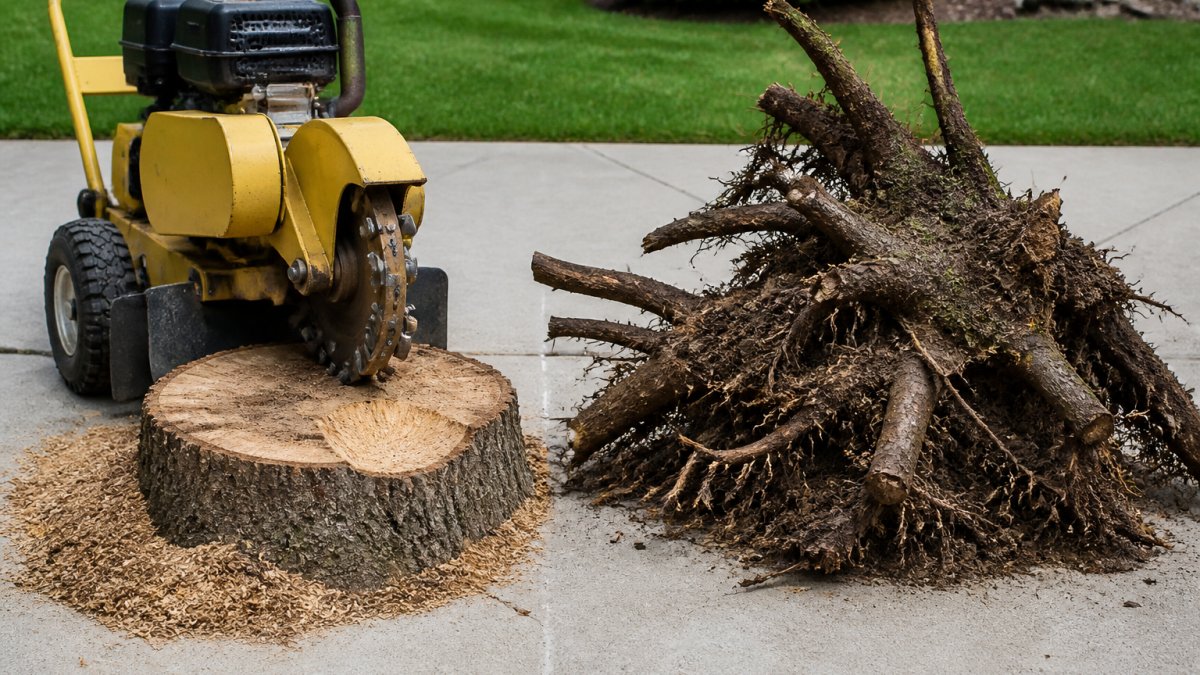
- Stump grinding billed separately, often a meaningful add-on, and sometimes the stump is ground but the root ball and grindings are left behind
- Debris hauling as an extra, some quotes assume you keep the wood chips or firewood
- Crane or bucket truck surcharge, if access turns out to be tighter than the estimator assumed
Ask each contractor to state in writing whether stump grinding, debris hauling, and cleanup are included or excluded. A quote that says "stump extra" in fine print is not the same as one that includes it.
What actually drives the price
Tree removal cost depends on size, location, condition, and access, not a flat rate. A small tree in an open yard costs far less than a massive hazardous tree leaning over a roof. The main drivers:
- Tree size and height: Taller, thicker trees take more time, more rigging, and more equipment
- Location: Trees near homes, power lines, or fences require precision and controlled lowering rather than free felling
- Condition: Dead, diseased, or storm-damaged trees are riskier, brittle wood can fail unpredictably
- Access: Tight spaces may require a crane instead of a bucket truck, and a crane adds setup, permitting, and crew cost
Because of these variables, no reputable company quotes blind over the phone. Expect an on-site assessment before any number is firm.
A side-by-side comparison table
| What to Compare | Why It Matters | Red Flag |
|---|---|---|
| Scope of work | Shows exactly what's included | Vague "tree removal" only |
| Removal method | Determines risk to structures and lawn | No method stated |
| Debris and stump handling | Prevents surprise add-ons | "Stump extra" buried in fine print |
| Insurance proof | Confirms you're protected | No certificate offered |
| Permit responsibility | Avoids fines and stop-work orders | "You handle the permit" |
| Timeline | Sets expectations | No start or finish date |
| Payment terms | Protects your cash | Large upfront cash deposit |
The lowest number on the page rarely wins. A quote that's dramatically cheaper than the rest often means missing insurance, no stump grinding, or a crew that leaves the debris behind.
For an accurate figure, request a free estimate from a local provider who inspects the tree in person. Kauffeld Tree Care offers written estimates after a site visit so you know the full scope before committing.
What Drives Tree Removal Cost in 2026
Tree removal cost depends on size, location, condition, and access, not a flat rate. A small tree in an open yard costs far less than a massive hazardous tree leaning over a roof.
Since pricing varies by job, the honest answer is that no reputable company quotes blind over the phone. Expect an on-site assessment before any number is firm.
The main cost drivers:
- Tree size and height: Taller, thicker trees take more time and equipment
- Location: Trees near homes, power lines, or fences require precision and rigging
- Condition: Dead, diseased, or storm-damaged trees are riskier to remove
- Access: Tight spaces may require a crane instead of a bucket truck
For an accurate figure, request a free estimate from a local provider who inspects the tree in person.
Finding Local Tree Removal Experts for Emergency and Storm Damage
Emergency tree service should be available around the clock, not just during business hours.
Storm damage creates hazards that demand immediate attention: split trunks, downed power lines, and leaning trees that can fall without warning.
When searching for emergency help, confirm:
- 24-hour availability: Can they respond at night or on weekends?
- Rapid dispatch: How quickly can a crew reach your property?
- Debris cleanup: Will they clear the site completely, not just cut the tree?
- Safety handling: Do they coordinate with utility companies for power line hazards?
The National Weather Service's severe weather safety resources reminds homeowners to stay clear of downed lines and damaged trees until professionals arrive.
Kauffeld Tree Care provides 24-hour emergency service for storm-damaged and hazardous trees, using cranes and bucket trucks to remove trees that manual crews can't safely reach.
Conclusion
Finding local tree removal experts you can trust takes more than a quick search and the lowest bid. It takes verification, the right questions, and a crew that proves its credentials before the first cut.
Kauffeld Tree Care brings a certified arborist, full insurance, and 24-hour emergency service to every job.
Get started with Kauffeld Tree Care and remove the risk from your next tree project with a written estimate and a crew you can verify.
Frequently Asked Questions
How do you find a qualified tree removal expert?
Start by searching for local tree removal experts with verifiable credentials. Look for ISA-certified arborists, proof of insurance, and a physical business address. Check customer reviews on Google and the Better Business Bureau. Ask neighbors for recommendations. Get at least three written estimates and verify that each provider carries liability coverage and workers' compensation. A qualified tree professional will happily show documentation before you commit.
How many tree removal estimates should you get?
Get at least three written tree removal estimates. This gives you a clear picture of fair market pricing and helps you spot outliers. Compare what each quote includes: stump grinding, debris removal, and site cleanup vary widely between providers. A written estimate should list the scope of work, equipment needed, timeline, and total cost. If one quote is dramatically lower, ask what it excludes. If one is much higher, ask what extra protection or equipment it covers.
Does homeowners insurance cover tree removal?
Homeowners insurance typically covers tree removal when a tree falls on a covered structure, like your house or garage. Most policies also pay for removing fallen trees that block driveways or ramps. Routine maintenance, like trimming or removing a dead tree before it falls, is usually not covered. Check your specific policy and document the damage with photos before cleanup begins. Your insurer may require a professional assessment before approving the claim.
What credentials should a tree removal company have?
A reputable tree service contractor should carry general liability insurance and workers' compensation coverage. Look for ISA-certified arborists on staff, which proves they passed a rigorous exam on tree health and safety. Ask for proof of licensing if your state or municipality requires it. Membership in professional organizations like the Tree Care Industry Association signals accountability. A trusted contractor will provide certificates of insurance and references without hesitation.