 ultimate-guide
Emergency Storm Tree Removal Cost: What to Expect
Table of Contents
- What Drives the Cost of Emergency Storm Tree Removal
- Emergency vs. Standard Tree Removal Pricing
- Factors Affecting Tree Removal Pricing
- When a Tree Hits Your House, Garage, or Fence
- Homeowners Insurance Tree Removal Coverage
- Emergency Tree Service Safety Protocols
- Frequently Asked Questions
Last Updated: October 8, 2026
What Drives the Cost of Emergency Storm Tree Removal
The cost of emergency storm tree removal depends on four variables: tree size, access difficulty, urgency, and whether the tree has hit a structure. The pattern is consistent: the harder it is to reach the tree safely, the more the job costs.
Emergency tree removal is the urgent extraction of a fallen, split, or dangerously leaning tree, usually within hours of a storm, to eliminate an immediate hazard to people, structures, or utilities.
Tree Size and Height
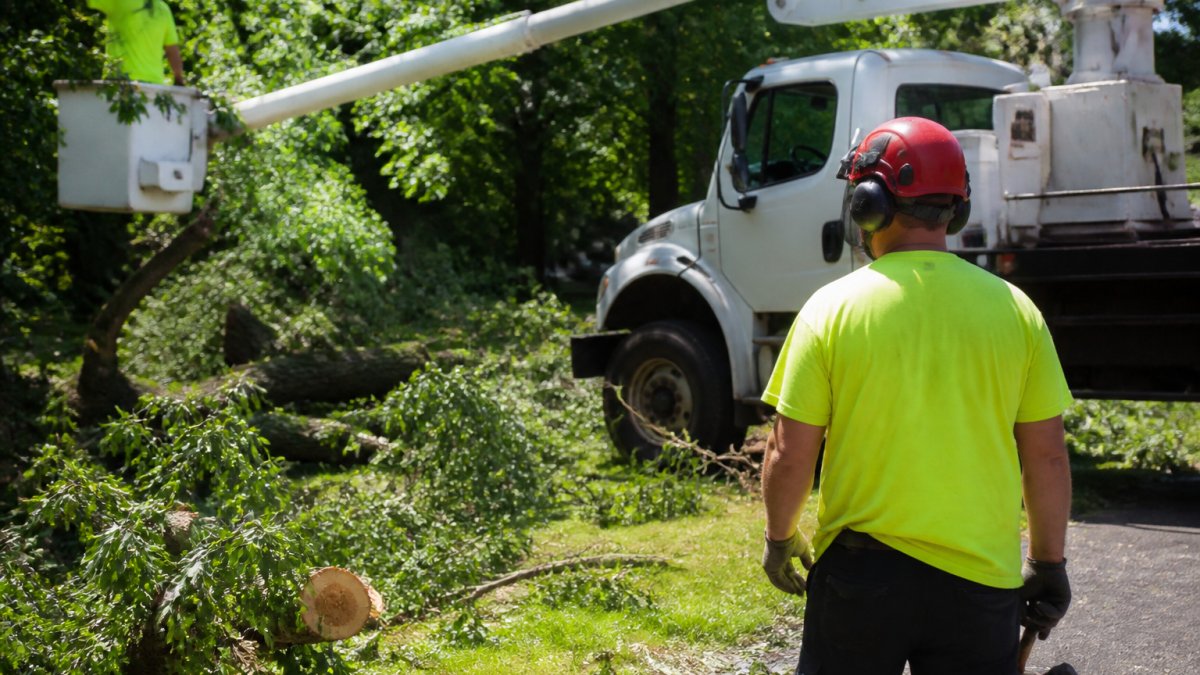
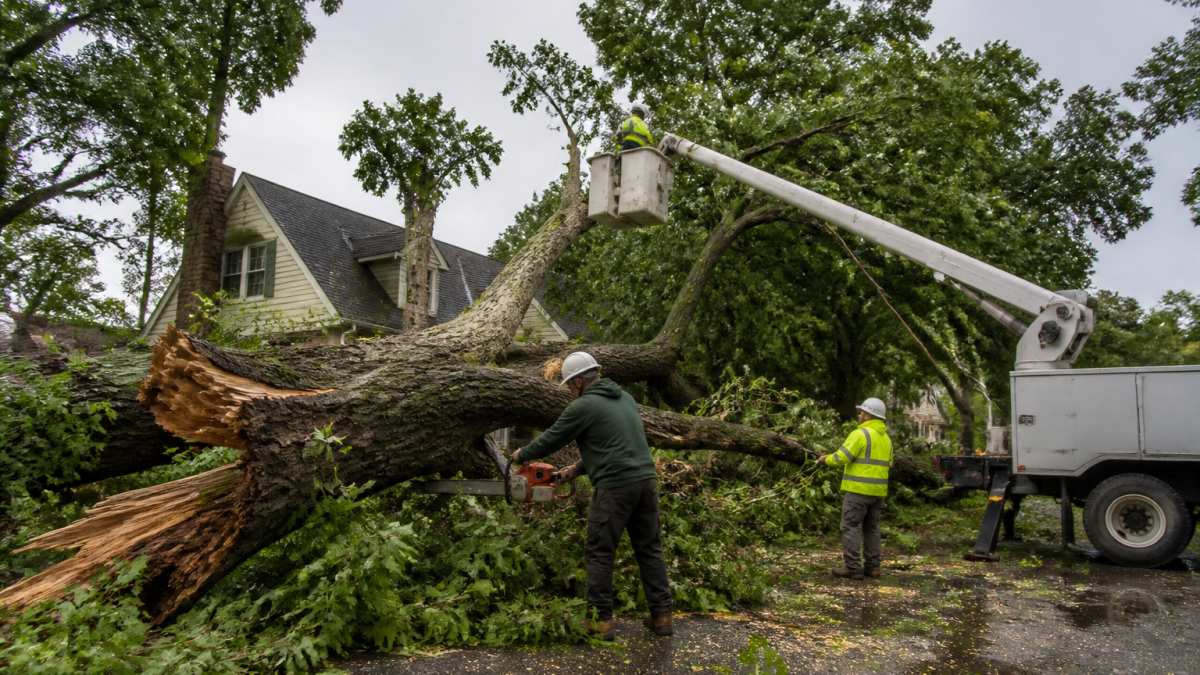
Small trees under 7 metres are cheapest because a crew can often handle them with hand tools and a chipper. Medium trees between 7 and 15 metres need more rigging and time. Large trees above 15 metres typically require a bucket truck or crane. Height matters less than lean and weight distribution: a tall tree that can fall into an open field is simpler than a shorter one hanging over a power line.
Location and Access Difficulty
Access is the single biggest swing factor in a storm tree removal estimate. A tree in an open yard lets equipment roll right up to it. A tree wedged between a fence, a shed, and a mature hedge forces the crew to work by hand, piece by piece, with ropes and rigging. When a crane cannot reach the tree, labor hours climb and so does the price.
Emergency vs. Standard Tree Removal Pricing
Emergency work costs more than a scheduled removal because crews mobilize at night, in bad weather, and outside normal hours. That premium is real, not gouging: a crew called out at 2 a.m. works under floodlights with wet ropes and unstable ground, which slows every cut. The premium is highest in the first 24 to 48 hours after a major storm.
| Job Type | Typical Timing | What Drives the Premium |
|---|---|---|
| Standard removal | Scheduled, daytime, good weather | Base labor and equipment |
| Same-day emergency | Within hours of the call | Overtime, night lighting, rapid mobilization |
| After-hours or holiday | Nights, weekends, storms | Highest labor multiplier, standby crew |
| Storm surge (widespread damage) | Days after a major event | High demand, limited crew availability |
What the Premium Actually Looks Like on an Invoice
Broad ranges hide where the money goes. Read an emergency quote by breaking it into the same line items a crew uses internally. The sample below is a composite of a common mid-size job, a roughly 15-metre tree that split and is leaning over a driveway after a windstorm, with no structure contact and clear equipment access.
| Line Item | What It Covers | Share of Invoice |
|---|---|---|
| Labor (crew hours) | 3-person crew, 4-6 hours on site | Largest single line |
| Equipment | Chipper, ropes and rigging, possible bucket truck | Second largest |
| Urgency multiplier | After-hours or same-day call-out | Adds a meaningful premium over daytime rates |
| Debris hauling | Chipping, loading, disposal fees | Often billed separately |
| Stump grinding | Below-grade grinding, optional backfill | Separate line, frequently declined |
A few patterns hold across most emergency invoices:
- Labor is the biggest line, not equipment. Crew hours scale with complexity: a tree that takes twice as long to rig costs roughly twice as much in labor even if the same truck shows up.
- The urgency multiplier is usually a percentage, not a flat fee. A common pattern is a percentage added to the standard rate for after-hours or holiday work, highest during the first night of a storm surge.
- Hauling and grinding are the easiest lines to cut. If you keep the wood and leave the stump, you can remove two line items without touching the safety-critical work.
When Waiting Saves Money, and When It Does Not
If a tree is not an immediate hazard, down in an open yard, away from structures, people, and lines, waiting a day or two can move the job into the standard column and reduce the price. If it is leaning toward a structure, resting on a roof, or near a utility line, do not wait. The cost of a delayed failure is almost always higher than the premium you would have paid.
Comparing Emergency Rates with Standard Rates
When you compare an emergency quote to a standard quote, compare like for like. A standard quote that excludes hauling and grinding is not cheaper than an emergency quote that includes them, it is a smaller job. Ask each contractor to quote the same scope: removal, hauling, grinding, and any crane or bucket-truck time. The gap between the totals is the true urgency premium, usually smaller than homeowners expect.
Factors Affecting Tree Removal Pricing
Beyond size and access, several other factors shape the final number.
- Lean and tension: A tree under tension can split unpredictably, so crews cut in small sections with rigging.
- Proximity to structures: Every metre closer to a house, garage, or fence adds rigging time.
- Crew size: Large or hazardous trees need more people on site for safety.
Stump Grinding and Debris Hauling
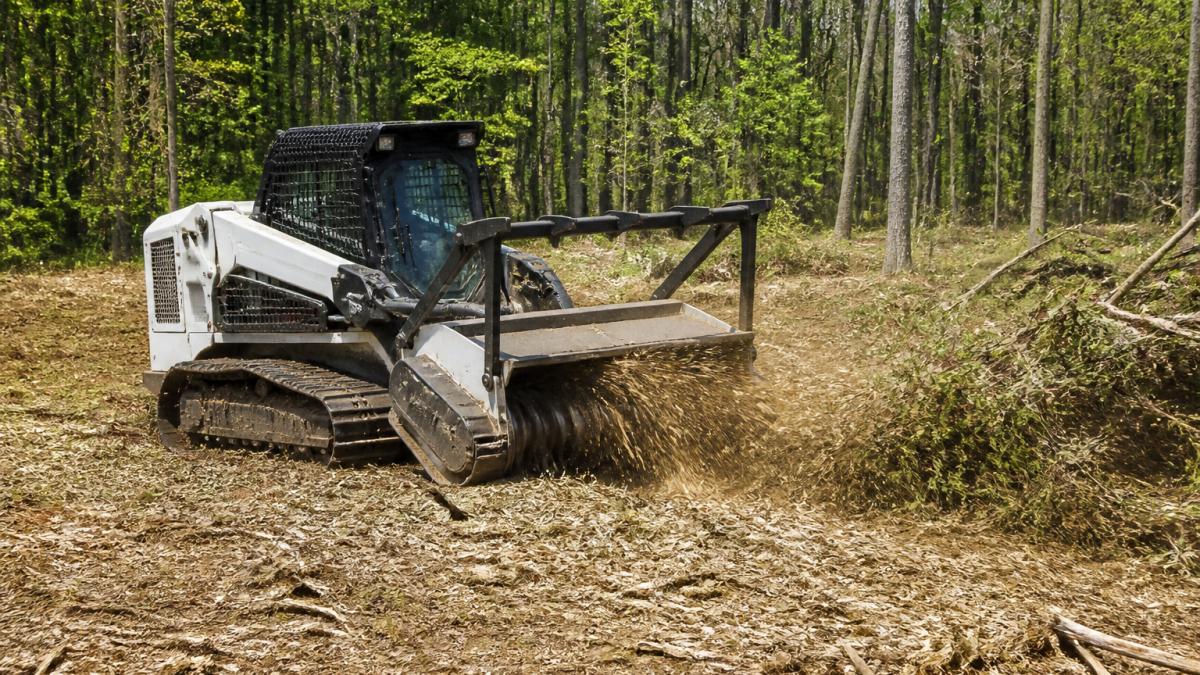
Stump grinding and debris hauling are almost always billed separately from the removal itself. Grinding removes the visible stump below grade, but surface roots and a hole remain unless you ask for backfill. Hauling means the crew chips the branches and removes the wood; leaving the wood on site saves money but leaves a pile. Ask every contractor which is included, because a low removal quote often excludes both.
When a Tree Hits Your House, Garage, or Fence
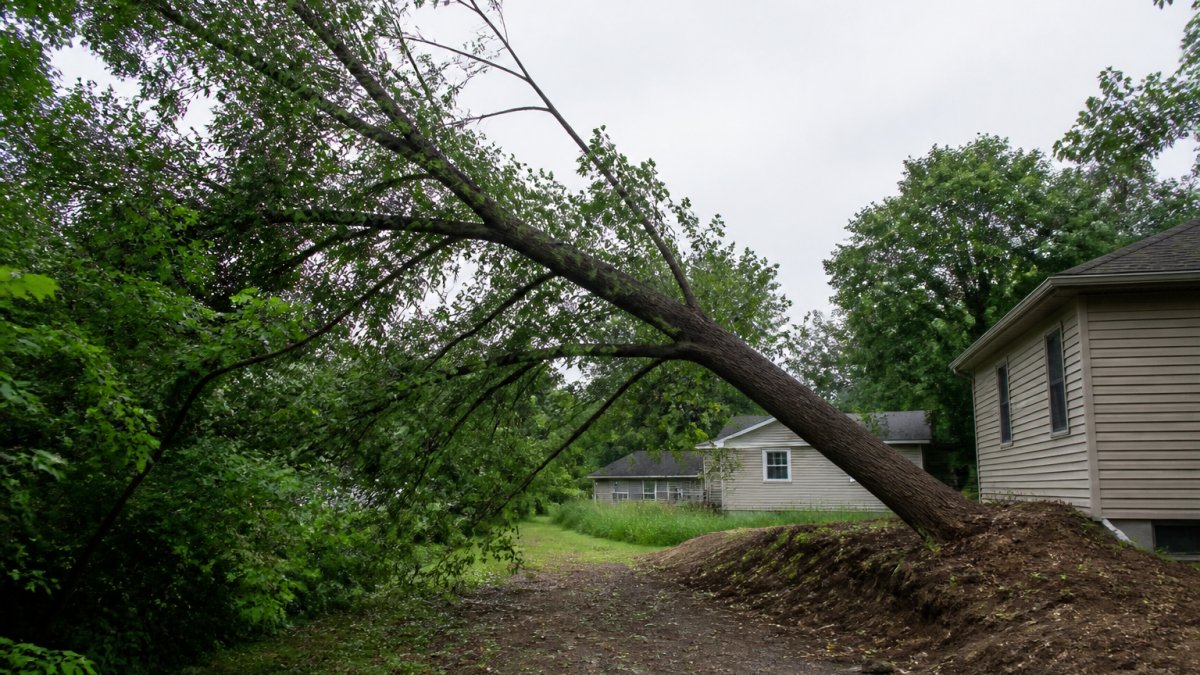
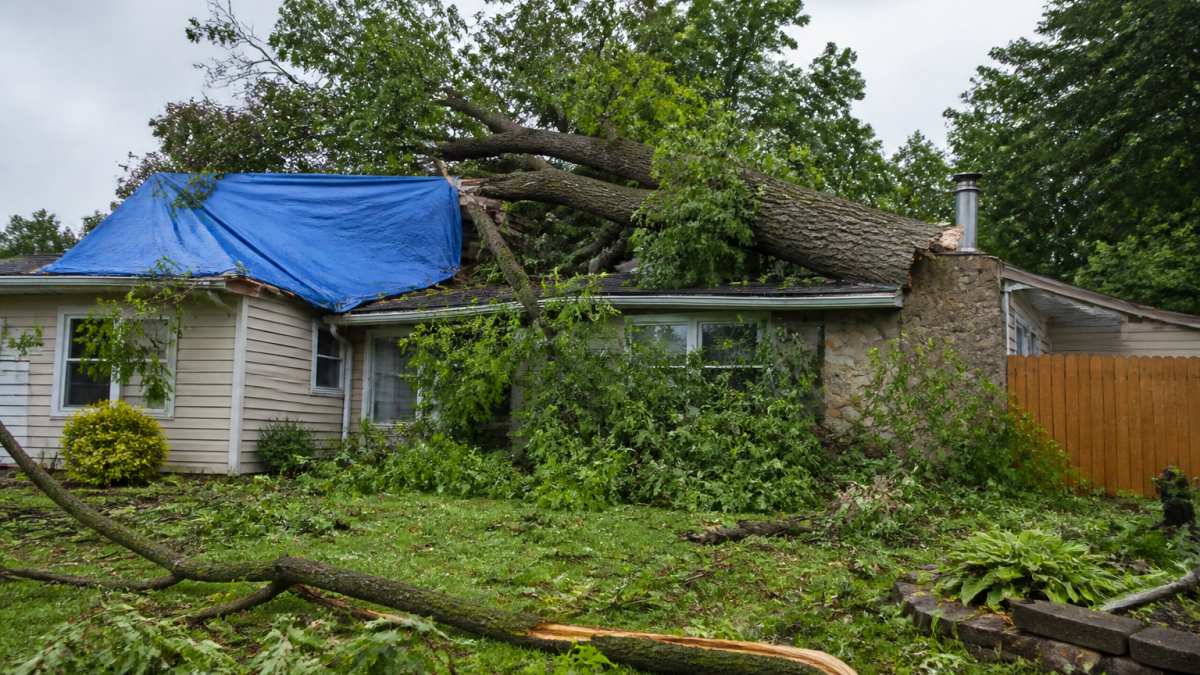
A tree on a structure is a different job than a tree on the ground. The removal is more delicate because the tree rests on something that can be damaged further, and often the work cannot begin until the structure is stabilized or the utility has cleared any lines.
The First Ten Minutes: A Decision Sequence
Most cost guides skip the part that matters most, what to do before any contractor is called. Work through these steps in order.
- Get people out of the strike zone. If the tree is on or against the house, move everyone, including pets, out of the rooms under and adjacent to it. A loaded trunk can shift, and a damaged roof can fail further. If you smell gas, see sparks, or hear arcing, evacuate and call 911 from outside.
- Call 911 if anyone is injured, trapped, or if there is fire, gas, or a live wire on the structure. Emergency services coordinate with the utility and the fire department. Do not attempt a rescue yourself.
- Call the utility if any line is involved, downed, sagging, or touching the tree or structure. Treat every downed line as energized. The utility clears its lines before any tree work begins; a crew cannot safely work around an energized conductor.
- Call your insurance company to open a claim once people are safe and the utility has been notified. You do not need a final cost to start a claim, just a claim number and an adjuster contact.
- Call a tree professional only after the utility has cleared any lines. A crew that arrives before the utility is cleared is either going to wait or is cutting corners.
Who Is Responsible for What
Responsibility depends on where the tree was rooted and what it hit, not where it landed:
- Tree on your property, hits your house: Your homeowners policy is the primary source for the removal and the structural damage, subject to your deductible and coverage limits.
- Tree on a neighbor's property, falls on your house: In most cases your own policy responds, because the loss occurred on your property. Your neighbor's policy is generally not the first call.
- Tree touches or brings down a power line: The utility owns and maintains the line. The utility clears the line; the tree crew handles the tree once the line is de-energized. Do not assume the utility will remove the whole tree.
What Not to Do
If a tree is on your house or garage, do not try to move it yourself. A tree under load can shift without warning, and a chainsaw cut in the wrong place releases that energy toward whoever is nearby. Do not pull branches out of a damaged roof, you may open a larger hole or destabilize the trunk. Do not stand under the tree to take photos.
Verifying a Contractor During a Storm Surge
Storm surges attract out-of-state crews and scammers. Before you sign anything, verify:
- A written scope of work that lists removal, hauling, stump grinding, and any crane time as separate lines.
- A certificate of insurance showing general liability and workers' compensation. Call the insurer to confirm it is active, a photocopy proves nothing.
- Licensing where your state or locality requires it. Check with your state licensing board or local consumer affairs office.
A certified arborist on staff, look for credentials from a recognized professional arborist association, is a strong signal that the job will be planned, not improvised. Local outfits tend to be easier to hold accountable than a crew that will be three states away by the time your invoice comes due.
Homeowners Insurance Tree Removal Coverage
Homeowners insurance tree removal coverage usually applies when the tree has damaged a covered structure, such as your house, garage, or fence, with most policies helping pay for removal up to a coverage limit (If a tree falls on your house, are you covered?). If the tree fell in the yard and hit nothing, many policies cover little or nothing, because there is no covered loss.
Documenting Your Claim
Document the damage before anything is moved. Photograph the tree, the structure, and the surrounding area from several angles, and note the date and time. Keep every receipt and the written estimate. A clear photo record and an itemized invoice make the claim easier to process.
Emergency Tree Service Safety Protocols
Emergency tree service safety protocols exist because storm work is among the most dangerous tree work there is. Wet wood, unstable root plates, downed power lines, and fatigue all raise the risk. A legitimate crew follows a fixed sequence before any cut.
- Assess the hazard: Identify lean, tension, and any contact with utility lines.
- Call the utility first: If a line is involved, the utility clears it before tree work begins.
- Establish a drop zone: Everyone stays clear of the fall path and the rigging zone.
When you call for emergency service, ask whether the company carries insurance and whether the crew is trained in rigging and crane work.
Frequently Asked Questions
How much is tree removal after a storm?
The cost of emergency storm tree removal depends on tree size, location, and urgency. Because every situation is different, request a written estimate for accurate pricing.
Does homeowners insurance cover tree removal due to storm?
Homeowners insurance tree removal coverage typically pays to remove a tree that has fallen on a covered structure, such as your house or garage. Removal of trees that missed structures is usually not covered. Check your policy and document the damage thoroughly before filing a claim.
What factors increase the price of removing a fallen tree?
Factors affecting tree removal pricing include tree size and height, access difficulty (tight spaces, slopes, or proximity to power lines), whether the tree is resting on a structure, and the need for specialized equipment like cranes or bucket trucks. Emergency or after-hours service adds a premium. Debris hauling and stump grinding are often extra. Getting multiple quotes helps you understand the range.
Is it safe to attempt DIY removal of a storm-damaged tree?
No. Storm-damaged trees can be unstable and may shift without warning. Without proper training and equipment, you risk serious injury or further property damage. Emergency tree service safety protocols require assessing tension in limbs, using ropes and rigging, and wearing protective gear. Always hire a certified arborist for hazardous removals; the cost is worth avoiding a trip to the emergency room.
A storm-damaged tree is a safety problem first and a cost problem second, and the two are linked: rushed work on an unstable tree is how people get hurt and how property gets damaged further. Kauffeld Tree Care handles 24-hour emergency storm cleanup, crane removal for hazardous or hard-to-reach trees, and full debris hauling and stump grinding, all with a certified arborist and full insurance behind every job. Get started with Kauffeld Tree Care and restore safety and order to your property.